Pallet Liquidation for Clothing
Pallet Liquidation: Converting Surplus Items Into Revenue
Pallet liquidation presents an effective approach for retailers struggling with surplus stock. Through converting surplus or returned products into large-scale sales, this method not only alleviates warehousing challenges but also creates new income opportunities. Small business owners frequently pursue these opportunities to acquire high-value items at lower costs. Nevertheless, the nuances of obtaining and redistributing these liquidation pallets present obstacles that demand thorough evaluation. What considerations should one evaluate before participating in this growing industry?
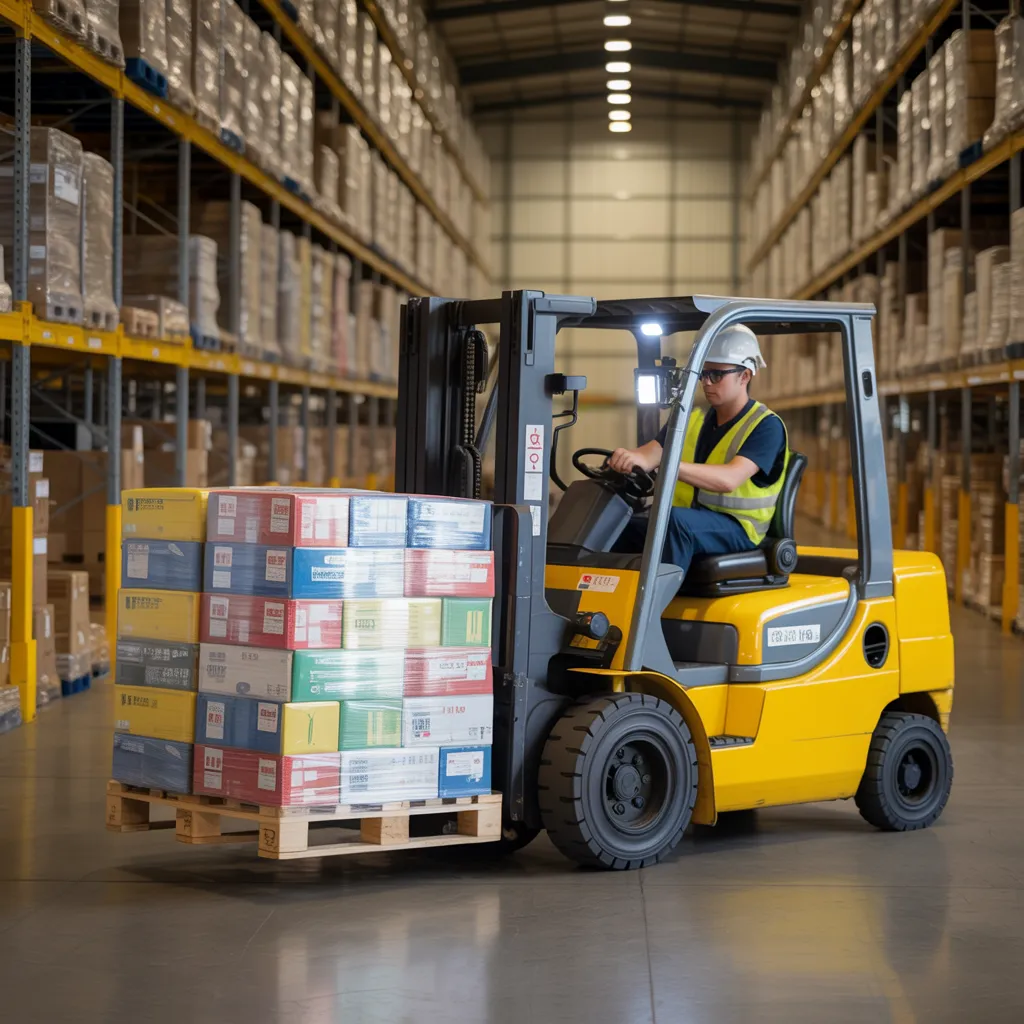
What Is Pallet Liquidation and How Does It Operate?
Pallet liquidation refers to the process of selling large amounts of excess, returned, or leftover products, generally arranged on pallets for convenient transport. This practice permits wholesalers and retailers to regain some financial return from inventory that might otherwise go to waste. Businesses frequently obtain these pallets from a range of sources, such as manufacturers and retailers, who wish to clear out their excess stock.
Once obtained, the pallets are offered directly to buyers or listed through digital auction channels. These pallets are frequently purchased by small business owners and resellers who aim to sell the contents individually for financial gain. The items within each pallet differ considerably, covering an extensive selection from electronic devices to home essentials. The appeal of pallet liquidation lies in the potential for substantial savings and the opportunity to discover valuable items within a mixed load. In summary, this approach offers an effective method for handling excess stock.
Popular Merchandise Categories found in Pallet Liquidation Sales
Liquidation pallets frequently include an extensive range of product categories, attracting various buyers in search of bargains. Frequently included products encompass electronics, home goods, apparel, and beauty products. Electronics, such as smartphones and laptops, are notably popular, as they typically hold significant resale value. Home goods, including kitchen appliances and furniture, attract a wide range of buyers seeking affordable options for home improvement. Apparel selections can extend from seasonal outfits to activewear, attracting attention from thrift shop operators and resellers. Furthermore, beauty items, such as skincare and cosmetics, appeal to both personal shoppers and retail businesses looking to profit from name-brand products. Seasonal merchandise frequently appears in liquidation offerings, allowing buyers to stock up ahead of holidays. This broad range of product types ensures that liquidation pallets are capable of satisfying the varied demands of purchasers, opening up revenue possibilities in numerous market areas.
Advantages of Pallet Liquidation for Retailers
A large number of retailers significantly benefit from purchasing liquidation pallets, as they present a practical method to fill their shelves with a broad selection of products at discounted rates. This strategy not only enhances inventory variety but also helps retailers cater to varied customer needs without significant financial strain. The economic advantage of liquidation pallets allows retailers to copyright competitive pricing, which can lead to increased profits and long-term customer relationships.
Moreover, sourcing wholesale liquidation pallets can lead to higher profitability, as a variety of items are purchased at a fraction of their retail value. Sellers can also leverage market trends by promptly securing popular or seasonal items, thereby adapting to market demands. As an added benefit, the turnaround time for sourcing and reselling these products is typically faster than traditional sourcing methods, empowering sellers to rapidly adjust to evolving consumer trends. Ultimately, pallet liquidation functions as a valuable tool for merchants seeking to enhance their efficiency and profit margins.
Ways to Source Quality Pallets
Acquiring high-quality pallets necessitates diligent research and strategic consideration. Interested buyers should kick off by identifying reputable liquidation firms and wholesale suppliers with a proven track record. Digital marketplaces and community auctions can prove to be worthwhile channels, offering a array of pallets at diverse price points.
Another key aspect involves examining the state of the pallets. Buyers should inspect for signs of damage, ensuring that the goods are in good condition and marketable. Developing strong ties with distributors can lead to better deals and access to exclusive inventory, expanding acquisition prospects.
Remaining updated on current market trends and in-demand items can help buyers choose pallets that will generate substantial returns when resold. Connecting with fellow resellers can deliver useful tips and advice, further aiding the sourcing process. By integrating these approaches, buyers can successfully obtain high-quality pallets that lead to thriving liquidation operations.
Key Strategies for Reselling Liquidated Pallets
Selling liquidated pallets demands thoughtful strategy and market awareness to increase earnings. Successful sellers begin by carrying out comprehensive research into current market trends and buyer needs. Pinpointing high-demand product categories, such as electronics, home goods, or seasonal items, allows for targeted purchasing.
Following this, sellers should assess the condition of items within the pallets. A thorough inventory is essential for determining the possible resale worth and supports the development of competitive pricing. Using online marketplaces and social media channels for promotion boosts visibility, connecting with more potential buyers.
Connecting with fellow resellers can prove advantageous, promoting alliances that generate mutual understanding and shared tools. Moreover, sellers should consider offering bundled deals or discounts to attract buyers and increase turnover rates. By putting these methods into practice, sellers are able to efficiently turn clearance inventory into rewarding prospects, guaranteeing a thriving commercial framework within the constantly shifting market landscape.
Understanding the Legal and Ethical Side of Pallet Liquidation
In the domain of pallet liquidation, comprehending legal compliance obligations is vital for resellers to steer clear of potential liabilities. Moreover, responsible sourcing practices serve a key function in upholding integrity across the industry. These factors not only influence business operations but also impact consumer trust and brand reputation.
Legal Regulatory Requirements
Adhering to legal standards in pallet liquidation is vital for upholding ethical practices and preserving business integrity. Businesses operating in this industry are required to comply with a range of regulations, such as consumer protection laws, environmental guidelines, and tax responsibilities. Following these laws aids in minimizing risks connected to the distribution of potentially harmful or fraudulent merchandise. Additionally, businesses should be aware of local and federal regulations governing the resale of liquidated products, ensuring proper documentation and reporting. Failure to comply can result in legal repercussions, including fines or loss of business licenses. By prioritizing legal compliance, pallet liquidation firms can foster trust with consumers and suppliers, ultimately enhancing their reputation and long-term viability in the marketplace.
Responsible Sourcing Standards
Steering through the complexities of pallet liquidation demands a focus on ethical sourcing practices together with legal compliance. Businesses operating in this sector must champion transparency and integrity, guaranteeing that the products they process are procured with care. This includes verifying the origins of goods, evaluating the treatment of workers engaged in production, and avoiding products associated with environmental harm or exploitative labor practices. By embracing ethical sourcing standards, businesses not only reduce legal risks but also enhance their reputation and customer trust. Furthermore, ethical practices can lead to a more sustainable operation, resonating with socially conscious consumers. Overall, the incorporation of ethical considerations into pallet liquidation is essential for building a ethical and thriving business model.
What the Future Holds for the Pallet Liquidation Market
As the pallet liquidation industry advances, a number of emerging trends are influencing its future direction. Digital platforms are rising in prominence, enabling sellers and buyers to engage more effectively. These platforms often utilize advanced algorithms to match inventory with demand, accelerating the pace of transactions. Additionally, sustainability is gaining traction, with businesses prioritizing environmentally conscious practices in the liquidation process. This change encourages a circular economy, where products are reused and repurposed, minimizing waste.
Additionally, pricing and product quality transparency are projected to grow, as shoppers require greater insight before buying. The emergence of niche markets, particularly in specialized goods, is also notable; companies are evolving to meet targeted consumer demands. Lastly, incorporating data analytics will probably refine inventory management, helping retailers make informed decisions. Combined, these trends suggest a promising future for the pallet liquidation marketplace, fueled by technological advancements and a commitment to sustainability.
Common Questions and Answers
What Types of Businesses Benefit Most From Pallet Liquidation?
Retailers, discount stores, and e-commerce businesses benefit most from pallet liquidation. These enterprises often seek cost-effective inventory solutions to maximize profit margins. Smaller retailers can acquire diverse products at reduced prices, enhancing their offerings without significant investment. Additionally, online sellers leverage liquidation pallets to source unique items for resale, creating competitive advantages. Overall, businesses focused on budget-friendly inventory management and diverse product selection find pallet liquidation particularly advantageous for growth and profitability.
How Do I Determine the Value of Liquidated Pallets?
To establish the value of liquidated pallets, it is advisable to examine the retail value of the merchandise contained, taking into account their current state and consumer demand. Exploring similar products on the internet can offer valuable information about resale opportunities. Moreover, accounting for the purchase cost and all related shipping or handling fees is critical. In addition, reviewing local marketplace trends and consumer interest can help establish a competitive pricing strategy for resale.
Can Individuals Participate in Pallet Liquidation?
Indeed, individuals background information can engage in pallet liquidation. Numerous liquidation businesses and auctions enable anyone to bid on or purchase pallets directly. By researching regional providers or online platforms, people can access various goods at lower costs. It is critical for participants to recognize the risks present, such as likely undisclosed issues or unsold items, and to consider their ability to resell or use the items successfully. Being well-informed and prepared are fundamental to a successful experience.
What Are the Most Common Mistakes to Avoid in Pallet Liquidation?
Typical pitfalls to avoid in pallet liquidation include underestimating costs, like freight and warehousing costs, resulting in diminished returns. Many buyers neglect to investigate the quality and worth of merchandise, causing unfavorable acquisition decisions. Additionally, neglecting to track inventory and sales can hinder success. A lack of awareness regarding market demand may cause excess inventory to go unsold. Ultimately, rushing into purchases without a clear strategy can cause financial losses, highlighting the necessity of thorough preparation.
How Does Shipping Cost Impact Pallet Liquidation Profitability?
Shipping expenses significantly affect pallet liquidation profitability by directly affecting the general expense framework. High shipping fees can diminish profit margins, making it critical for sellers to factor these costs into their pricing strategies. Additionally, fluctuating transportation rates may impact inventory circulation, ultimately affecting sales velocity. Effective supply chain planning and securing competitive transportation rates can boost profit margins, permitting retailers to increase profits from liquidated merchandise while reducing operational costs.